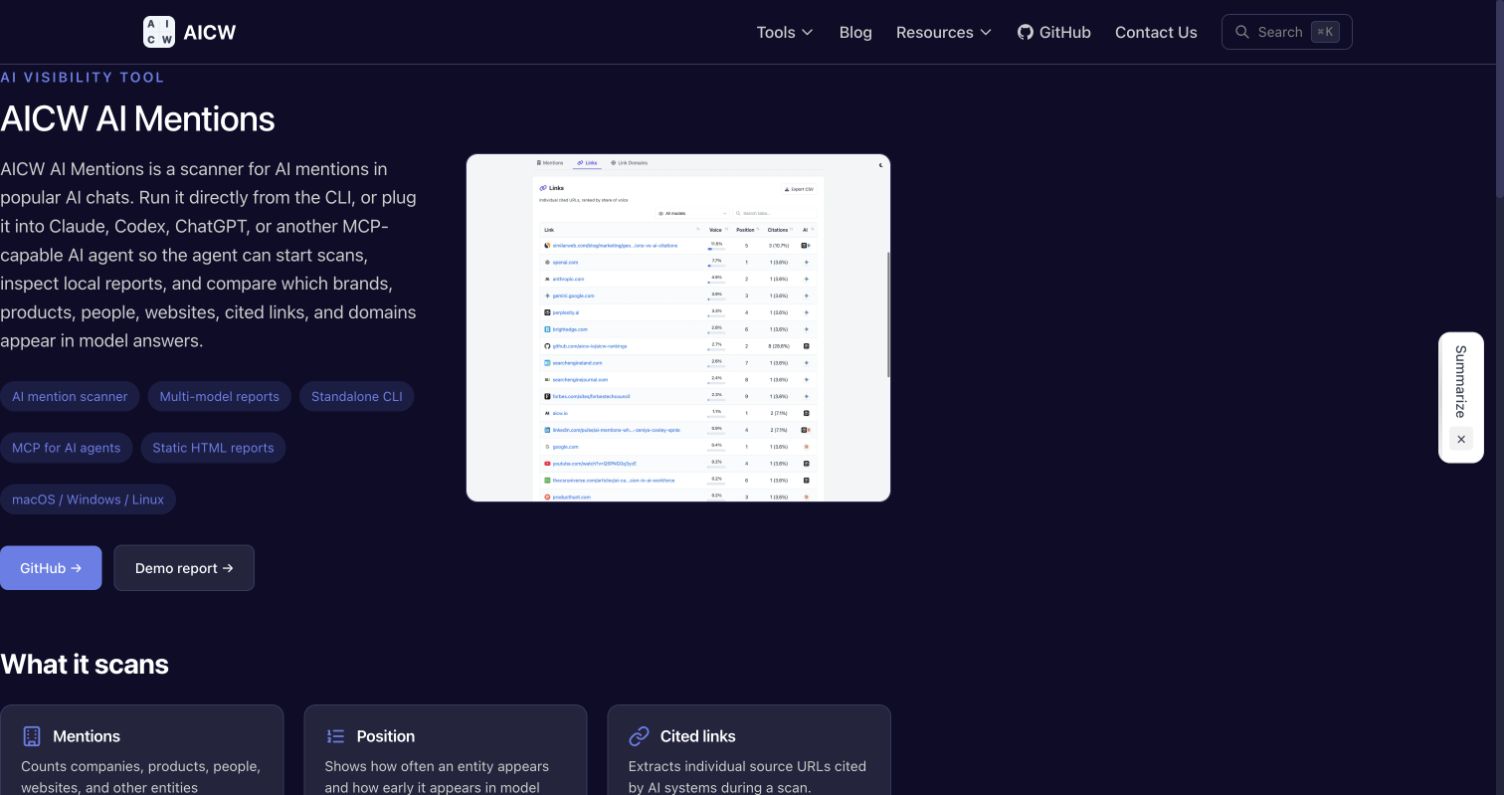
How to Track Brand Mentions in AI Search
Learn how to track brand mentions across ChatGPT, Perplexity, and Google AI Overviews using controlled prompts, citations, and clear KPIs.
12 min read
201 articles
Learn how to track brand mentions across ChatGPT, Perplexity, and Google AI Overviews using controlled prompts, citations, and clear KPIs.
Learn how AI search optimization helps content get cited in Google AI Overviews, ChatGPT Search, Perplexity, and Gemini.
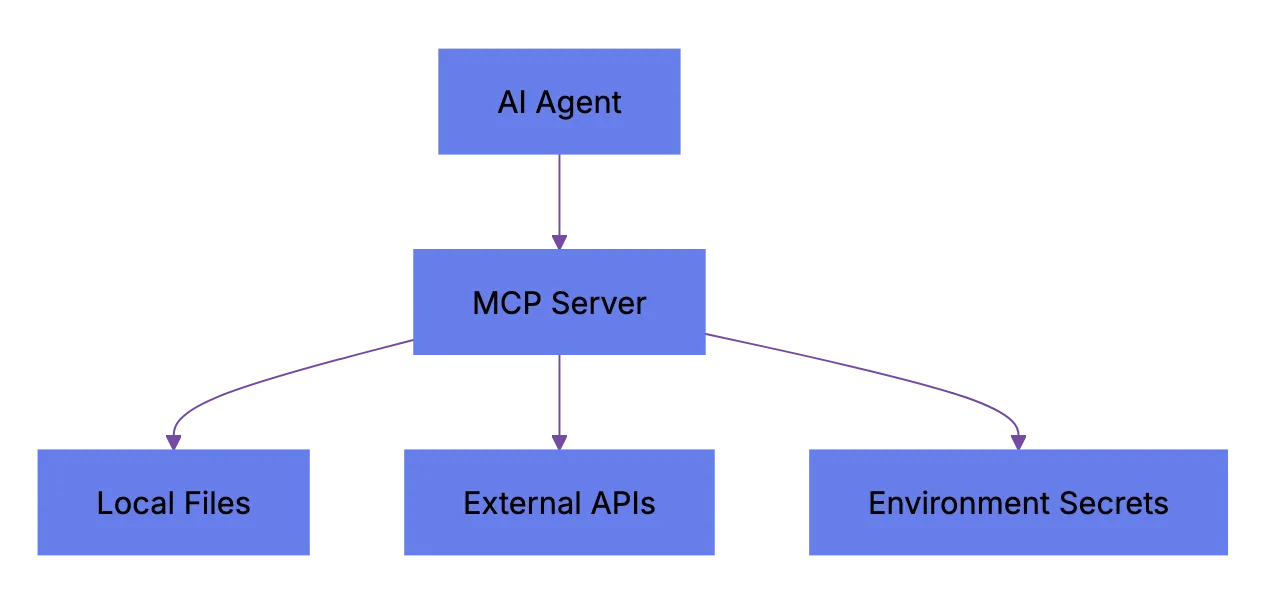
Learn MCP security risks, threat models, governance checklists, and rollout advice for securing AI agent toolchains in 2026.

Learn how multi-agent coding moves AI coding agents from vibe coding to controlled workflows with isolation, review queues, and cost controls.
AI21 Jamba is a family of open language models with a 256K context window. It has no web access of its own, and AI21 documents no crawler.
What Amazon Q Developer and Amazon Q Business do with websites, and how to block the Amazon Q web crawler with the amazon-QBusiness token.
BLOOM is a 176B-parameter open multilingual model from BigScience, released in 2022. It has no web access or crawler, and its training data is fixed.
Character.AI documents no web search, page fetches or crawler. What this means for site owners, and why there is no robots.txt rule for it.
Codeium became Windsurf in 2025 and Devin Desktop in 2026. How its agent searches and reads web pages, and why no robots.txt token exists.
Cohere Command models have no web access. How apps pass web pages to them as documents, how Command cites those documents, and which Cohere bots exist.
Copy.ai Chat searches the web and its workflows scrape pages. No user agent or robots.txt token is documented. What site owners can do.
The Cursor agent can search the web, read links and control a browser. Cursor documents no user agent or robots.txt token for this traffic.
Drift, the B2B chat product of Clari + Salesloft, has a gradual sunset with 1mind as successor. Dates, the 2025 breach and steps for sites.
Duolingo Max is a Duolingo subscription tier with GPT-4 features. It describes no web search or crawler, so site owners have nothing to block.
Falcon open models from TII have no crawler. Their RefinedWeb training data comes from Common Crawl. How to opt out and request removal.
Gemma is a family of open models from Google with no crawler or web access of its own. What site owners need to know about Gemma and web data.
GitHub Copilot Chat uses Bing or model web search. GitHub documents no Copilot crawler or user agent. What site owners can control.
How Gemini uses web pages: grounding from the Google Search index, the Google-Extended robots.txt token, user-triggered fetchers and sources.
GPT-NeoX is the EleutherAI training library and 20B open model. It has no web access or crawler. Its training data, the Pile, includes Common Crawl text.
Grammarly, now part of Superhuman, checks text against web pages and suggests web sources. It documents no crawler or user agent. What owners can control.
HuggingChat closed in July 2025 and returned in October 2025. How it searches the web through Exa, its URL fetcher user agent, and how to block both.
watsonx Assistant answers from content a business connects, not the open web. The Watson Discovery crawler user agent, citations and the Orchestrate move.
Fin answers from content a business adds, not the open web. How Fin website sync crawls pages, why it has no user agent, and its robots.txt setting.
Jasper Chat is a marketing assistant from Jasper AI. How Jasper reads URLs for brand voice and knowledge, cites sources, and what site owners can block.
Khanmigo is the Khan Academy AI tutor. It works inside Khan Academy pages with no documented web search or crawler. Khanmigo Lite runs in ChatGPT.
Meta's Llama models have no web access of their own. How Llama web search tool calls work, what data trained them, and how to opt out of Meta crawling.
Mistral renamed Le Chat to Vibe in May 2026. How Vibe searches the web and cites sources, and how to allow or block its two user agents.
Mistral AI makes open-weight and API language models that do not browse the web. Licenses, the web search tool and the MistralAI-Training crawler.
OpenChat is a family of open-source language models trained with C-RLFT. Versions, licenses, project status, and why it has no crawler or user agent.
Phi is Microsoft's family of small language models under the MIT license. Current Phi-4 models, and why Phi has no crawler or user agent to block.
Pi is the personal AI from Inflection AI. Who runs it after the 2024 Microsoft hires, how it uses web sources, and why no Pi crawler is documented.
Poe is Quora's app for chatting with many third-party AI bots. What is known about its web access, and why there is no Poe user agent to block.
Qwen is Alibaba's family of language models, many with open weights. Current Qwen3.8 releases, licenses, and why Qwen has no crawler to block.
Reka AI builds multimodal models and video tools. Company status, what Reka documents about web search, and why there is no Reka crawler to block.
Replika is an AI companion app from Luka, Inc. It does not search the web and has no documented crawler or user agent. What site owners need to know.
Einstein is Salesforce's built-in AI, and Agentforce replaced Einstein Copilot. Agentforce web search, website connectors and what site owners can block.
StableLM is Stability AI's family of open-weight language models. Releases, licenses, web training data and why there is no StableLM bot to block.
Tabnine is an AI coding assistant. Its CLI has an optional Web Fetch tool that reads URLs a developer gives it. No user agent is documented.
Tencent Hunyuan models for text, images, video and 3D, the search and citation options of the Hunyuan API, and what site owners need to know.
Tongyi Qianwen (通义千问) is the Chinese name of Alibaba's Qwen. The Qwen Chat and Qianwen assistants, their web search and what site owners can do.
Woebot Health retired the Woebot app on June 30, 2025. What Woebot was, the data deadlines and why site owners have no Woebot bot to block.
Chatsonic, the AI assistant from Writesonic, searches the web and reads URLs. Writesonic documents no user agent. What site owners can do.
Wysa is a mental health support chatbot from Wysa Ltd. How it writes replies, and why site owners have no Wysa bot to block.
Yi is a family of open-weight English and Chinese language models from 01.AI. Releases, license and why site owners have no Yi bot to block.
Zendesk AI agents answer from help centers and crawled sites. The Zendesk/External-Content crawler and how to allow or block it.
360Spider crawls the web for 360 Search (so.com). User agents, robots.txt tokens, the Indexpage extension, published IP ranges and blocking.
adbeat_bot collects ad data for Adbeat, a display ad intelligence service. Its robots.txt token, user agent, and how to block it.
AdIdxBot is the Bing Ads crawler that checks ads and the pages they link to. User agent strings, robots.txt rules and how to verify requests.
AhrefsBot crawls for the Ahrefs SEO tools and the Yep search engine. User agent, IP lists, reverse DNS and robots.txt rules to block or slow it.
AI2Bot is the crawler of Ai2 (Allen Institute for AI). It collects content to train open models such as Olmo. User agent and how to block it.
Amazonbot, Amzn-SearchBot and Amzn-User: what each Amazon agent does, user agent strings, IP lists, and how to block them in robots.txt.
Applebot-Extended is a robots.txt token, not a crawler. Disallow it to keep Apple from training its AI models on your pages. Apple search stays the same.
Applebot crawls for Spotlight, Siri and Safari search and Apple AI features. User agent format, DNS and IP verification, robots.txt and meta tags.
archive.org_bot crawls pages for the Wayback Machine. Its user agent token, the limits of robots.txt, and how to request removal of archived pages.
Baiduspider crawls the web for Baidu search. User agent tokens per Baidu product, reverse DNS verification and robots.txt rules from Baidu's help pages.
Bingbot crawls for Bing search and Copilot answers. User agent strings, DNS and IP verification, robots.txt rules, and noarchive and nocache AI controls.
BingPreview makes page snapshots for Bing. Its current user agent carries the bingbot token. How to verify it and limit previews with meta tags.
BuiltWith visits sites to detect their technology stack. Its user agent values, the robots.txt rule it follows and how to remove your site profile.
Bytespider is the ByteDance crawler for Toutiao Search, reported as an AI training crawler. Its documented user agent, 2019 IP list and how to block it.
CCBot collects pages for the Common Crawl web archive, a common AI training source. User agent, IP ranges, reverse DNS and robots.txt rules.
ChatGLM-Spider is a crawler that bot directories link to Zhipu AI. What is known, what is not documented, and how to block it.
ChatGPT-User visits pages when a ChatGPT user or custom GPT asks for them. User agent string, IP list, robots.txt status and server blocking.
Claude-SearchBot indexes pages for search results in Claude. Its robots.txt token, what a block changes and how to verify requests.
Claude-User opens a web page when a Claude user asks a question. Its robots.txt token, what a block changes and how to verify requests.
ClaudeBot is Anthropic's crawler for AI model training. Its robots.txt token, Anthropic's other bots, the IP list and how to block it.
Cloudflare Always Online shows archived pages when your origin is down. The user agents and IP ranges that crawl your site, and how to turn it off.
coccocbot is the crawler family of the Coc Coc search engine. Its user agent strings, robots.txt rules, Crawl-delay limit and reverse DNS check.
cohere-ai and cohere-training-data-crawler are tokens that bot lists link to Cohere. Cohere documents neither. What Cohere says and how to block them.
How to identify Datadog Synthetic Monitoring requests: the Datadog/Synthetics user agent, the sec-datadog header, IP ranges and analytics filters.
Daum's crawler: the Daum/4.1 and Daum-Preview user agents, the robots.txt token, the IP list, and what the older Daumoa name means.
Diffbot's two user agents, Diffbot and Diffbot-User, what each one does, how Diffbot handles robots.txt and crawl-delay, and how to block them.
Discordbot fetches a page when someone shares its link in Discord, to build a preview card. Its user agent, IP list, and how to verify or block it.
DotBot is the crawler that builds the Moz Link Index. Its robots.txt token, how to block or slow it, and how it differs from Rogerbot.
DuckAssistBot fetches pages in real time for DuckDuckGo Search Assist answers. Its user agent, IP list, and the robots.txt opt-out.
FacebookBot is not on Meta's current crawler list. What Meta documents now, which user agents to use in robots.txt, and how to block Meta crawlers.
facebookexternalhit fetches shared links for previews on Facebook, Instagram and Messenger. Its user agents, robots.txt behavior and requirements.
FeedFetcher-Google fetches RSS and Atom feeds for Google News and WebSub. It ignores robots.txt. User agent, IP list and how to block it.
Feedly Fetcher, also called FeedlyBot, gets RSS feeds for Feedly users as Feedly/1.0. It ignores robots.txt. How to block it on the server.
FriendlyCrawler has no known operator. Bot lists say it builds machine learning datasets. What is known and how to block it in robots.txt.
Google-CloudVertexBot crawls sites for Vertex AI search (Agent Search) data stores. User agent, robots.txt tokens, sitemaps and verification.
Google-Extended is a robots.txt token, not a crawler. It controls Gemini training and grounding, not Google Search ranking or AI Overviews.
Google-InspectionTool user agents and robots.txt tokens. It fetches pages for URL Inspection and the Rich Results Test, not for Google Search.
Googlebot user-agent strings, robots.txt token, how to verify requests with reverse DNS, and what blocking Googlebot changes in Google Search.
GoogleOther user agents, GoogleOther-Image and GoogleOther-Video, robots.txt rules, and why a block does not affect Google Search.
GPTBot user agent, robots.txt rules, IP ranges and what a block changes. Blocking GPTBot does not remove a site from ChatGPT search.
GrapeshotCrawler was the contextual ad crawler of Oracle's Grapeshot. Oracle closed its ad business in 2024. User agent and how to block it.
HubSpot Crawler fetches pages for HubSpot SEO tools, imports and the AI customer agent. Its user agent, IP ranges and robots.txt rules.
ia_archiver is the crawler user agent of Alexa Internet, which closed in May 2022. Its history, what the old robots.txt group does today and how to handle it.
ImagesiftBot collects public images and page text for the ImageSift image index. Its user agent, robots.txt rules, Crawl-delay and opt-out.
What AI crawler bots are and their three types: training crawlers, AI search crawlers and user-triggered fetchers, with examples and sources.
Find AI crawlers in your access log, match their IP addresses to operator lists, and control them with robots.txt and firewall rules.
Kangaroo Bot is the crawler of Kangaroo LLM, an Australian open-source LLM project. Its robots.txt token, the project status and how to block it.
LinkedInBot reads a page when someone shares its URL on LinkedIn, to build the link preview. User agents, Open Graph tags and robots.txt.
Meta-ExternalAgent crawls the web to train Meta AI models and index content. User agent, robots.txt rules and what a block changes.
Meta-ExternalFetcher fetches single links when a user asks a Meta product. It can bypass robots.txt. User agent and server blocking.
MJ12bot is the Majestic backlink crawler. It obeys robots.txt and Crawl-Delay up to 20 seconds. How to block, slow and identify it.
MLBot has no operator documentation. What public bot lists say, what is unknown, and how to block it with robots.txt and nginx.
MojeekBot crawls for the Mojeek search engine. robots.txt token, noindex support, crawl rate and how to identify real requests.
MSNBot was renamed Bingbot on October 1, 2010. Old msnbot robots.txt rules, msnbot host names, and how to identify Bing requests.
Naver calls its search crawler Yeti. User-agent strings, robots.txt examples, HTTP status handling and how to identify real requests.
New Relic synthetic monitors are scheduled checks, not crawlers. Identify them by the X-Abuse-Info header and New Relic IP ranges.
OAI-SearchBot finds pages for ChatGPT search. User-agent string, robots.txt rules, how it differs from GPTBot, and OpenAI IP ranges.
Third-party bot lists link PanguBot to Huawei PanGu AI training, but Huawei does not document it. How to block it in robots.txt and nginx.
Perplexity-User fetches pages when a user asks Perplexity a question and generally ignores robots.txt. User agent, IP list and server blocking.
PerplexityBot finds and links sites for Perplexity search results. User agent, IP list, robots.txt rules and firewall setup.
PetalBot crawls for Huawei Petal Search and AI Search. User agents, robots.txt rules, reverse DNS check and what a block changes.
Pingdom probe servers request URLs that Pingdom users monitor. Check types, published probe IP lists, and how to allow or block them.
Pinterestbot indexes pages and updates Pin details. User agents, robots.txt and crawl-delay rules, the nopin tag and reverse DNS checks.
The proximic crawler analyzes pages for Comscore contextual advertising. User agent, robots.txt rules, crawl delay and what a block changes.
Rogerbot is the Moz Pro site audit crawler, separate from the Dotbot link crawler. How to allow, block or slow it in robots.txt and how to identify it.
Screaming Frog SEO Spider is a desktop crawler that people run on their own computers. Its user agent, robots.txt handling and how to block it.
SecurityTrails sells DNS, WHOIS and IP data to security teams. What is documented about a SecurityTrails bot and how to handle its requests.
SemrushBot and the other Semrush bots collect data for Semrush SEO tools. Their robots.txt tokens, Crawl-delay limit and how to block each one.
SeobilityBot crawls sites for the Seobility SEO tools. Its user agent, IP list and robots.txt rules to block it or to let only it crawl a site.
Serpstatbot crawls the web for the Serpstat backlink index. Its robots.txt token, Crawl-delay limit, IP list and why a robots.txt block can fail.
SeznamBot crawls for Seznam.cz search. Its user agent, IP list, reverse DNS names and robots.txt rules, including the Request-rate directive.
The SISTRIX Crawler fetches pages for the SISTRIX SEO Toolbox. Its default user agent, reverse DNS names, robots.txt rules and project settings.
Slack fetches links that users post in Slack to build previews. Its user agents, why it ignores robots.txt, the tags it reads and how to block it.
Snapchat fetches shared links with the Snap URL Preview Service to build chat previews. Its user agent, cache time, tags and how to block it.
Sogou web spider crawls pages for Sogou, a Chinese search engine. Its user agent, robots.txt support, reverse DNS check and how to block it.
Storebot-Google crawls product, cart and checkout pages for Google Shopping. User agents, robots.txt token, verification and what a block changes.
TelegramBot fetches shared links for link previews and Instant View in Telegram. What Telegram documents, the known user agent and how to block it.
TikTokSpider names TikTok in its user agent, but TikTok publishes no docs for it. The known user agent, what is not confirmed and how to block it.
Timpibot crawls the web for Timpi Search and the Timpi Data API. Known user agent, robots.txt status, takedown requests and how to block it.
Twitterbot fetches shared links for X (Twitter) card previews. X no longer documents it. The known user agent, card tags and how to block it.
UptimeRobot checks URLs that its users monitor. Its user agent, published IP lists, HEAD requests and how to allow or block the checks.
WappalyzerBot crawls public pages to detect the technologies a site uses. Its user agent, signed requests, robots.txt rules and how to block it.
Webzio-extended tags Webz.io crawl data as usable or not for AI training. What Webz.io documents about it and Omgilibot, and how to block its bots.
WhatsApp fetches a page to build a link preview. User-agent format, the Open Graph tags it reads, image limits, and how to block it.
YandexBot is the main Yandex search crawler. User-agent strings, robots.txt tokens, crawl rate, and the DNS check for real requests.
YouBot crawls pages for the You.com search engine. User-agent string, robots.txt rules, IP range, reverse DNS and Web Bot Auth checks.
Algolia is hosted search that companies add to their own sites, not a web search engine. Algolia Crawler user agent, robots.txt and IP.
Andi is a Y Combinator-backed AI search engine that answers with sources. What is known about it, and what it does not document for sites.
Arc Search, the AI mobile browser from The Browser Company, is shutting down. Key dates, what Browse for Me did, and what it means for sites.
Baidu uses ERNIE models in the ERNIE Bot app and for AI answers in Baidu Search. Which crawler collects pages, and the robots.txt controls.
Brave Search uses its own index for AI Answers and Ask Brave. How the Brave crawler follows Googlebot rules and how to remove a page.
CoCounsel is a legal AI assistant from Casetext, now part of Thomson Reuters. It is not a public web search engine. Key dates and facts.
How ChatGPT search finds and cites web pages, which OpenAI bots to allow or block, how to opt out, and how ChatGPT visits show in analytics.
How products appear in ChatGPT shopping: OAI-SearchBot, OpenAI product feeds for approved merchants, feed flags and Instant Checkout.
How Claude finds, reads and cites web pages in its apps and in the API, which Anthropic bots to allow, and how to keep search but block training.
Connected Papers builds similarity graphs of research papers from the Semantic Scholar corpus. How the graph works and how papers get in.
Consensus searches over 200 million research papers from Semantic Scholar, OpenAlex and its own crawl. How its search and ranking work.
Coveo is search software that companies run on their own sites. How its crawler Coveobot handles robots.txt, noindex and crawl rate.
DeepSeek runs its own search engine for its chat app and its Search and Fetch APIs. What is documented, and what site owners can control.
Duck.ai gives anonymous access to third-party AI models. How Search Assist answers cite pages, and which DuckDuckGo crawlers to allow.
Elasticsearch is search software you run yourself or on Elastic Cloud. Its semantic search options and the Elastic Open Crawler user agent.
Elicit searches about 138 million papers from Semantic Scholar, OpenAlex and PubMed. Its sources, search method and web access.
Exa is a web search API for AI apps. Its crawler ExaSearchBot follows robots.txt and signs requests. User agents, opt-out and removal.
Felo is a multilingual AI search engine from Felo Inc. It answers from real-time web results with citations. No crawler is documented.
Glean searches a company's own apps, not the public web. How its Website connector crawls sites and follows robots.txt, and how its web search works.
How Google AI Overviews pick and link pages, what a page needs to appear, and which controls apply: nosnippet, max-snippet and noindex.
Grok is xAI's AI assistant. How it searches the web and X, how it cites sources, and why xAI documents no crawler or robots.txt token.
Harvey is AI software for law firms, not a public search engine. Its web search and legal content sources, and what site owners can control.
iAsk.Ai is a free AI answer engine. What it documents about its web index, citations, crawler and robots.txt access for site owners.
Kagi builds its own index with Kagibot. Kagibot user agent, IP addresses, robots.txt rules with Googlebot fallback, and Kagi Small Web.
Komo is an AI search engine that answers with sources. Its status in October 2026, how it shows sources, and what it documents for site owners.
Lexis+ AI, renamed Lexis+ with Protégé in February 2026, answers from LexisNexis legal content. Its sources and what site owners can control.
Liner is an AI search and research tool with web and scholar search. Which sites it cites most, and what it documents about crawler access.
MediSearch answers medical questions from selected scientific sources, not the open web. How it picks and cites sources, and what site owners can do.
Meta AI chat and search use Bing, Google and the meta-webindexer crawler. How Meta AI cites pages and how to allow or block Meta crawlers.
Microsoft Copilot answers web questions with Bing results and cites pages. How to get cited, opt out with noarchive or nocache, and track citations.
Mojeek is a UK search engine with its own index. Who runs it, how its AI Search Summary cites results, and its NoML proposal for machine learning.
Naver Cue: was the generative AI search of Naver. It shut down in April 2026. Naver AI answers now appear as AI Briefing in Naver search.
OpenEvidence answers clinical questions from licensed journals such as NEJM and JAMA, with citations. It documents no web crawler.
Perplexity answers questions with links to the pages it used. Its search, chatbot, Comet browser, publisher payments, APIs and site opt-out.
Phind was an AI search engine for developers from a Y Combinator company. It shut down in January 2026. No robots.txt rules are needed.
PimEyes is a face search engine that indexes faces from public web pages. How it finds images, what PimEyesBot does, and how to opt out.
Qwant builds its index with QwantBot and cites pages in its AI answers. How to appear, block or slow QwantBot, and identify real requests.
ResearchRabbit finds academic papers from Crossref, Semantic Scholar and OpenAlex data. It does not crawl websites. What publishers can do.
SciSpace by PubGenius Inc. is an AI research assistant with a search over 280M+ papers and PDF tools. It documents no crawler for site owners to block.
Scite reads full-text papers from publisher agreements and open access content and labels citations as supporting, contrasting or mentioning.
SearXNG is open-source metasearch software that queries other search engines. It has no index or crawler, so your visibility depends on those engines.
Semantic Scholar is the free research paper search engine of Ai2. Where its papers come from, how authors fix or remove papers, and how AI2Bot differs.
Startpage sends queries to Google and Bing without personal data. It has no index or crawler, so Google and Bing decide what it shows for your site.
Tavily is a search, extract and crawl API for AI agents, now joining Nebius. It documents no crawler user agent or robots.txt token.
TinEye finds where an image appears online with its own crawler and image index. What it documents about crawling and how to remove your images.
Undermind is an AI research agent that searches the Semantic Scholar database of 200M+ papers and writes cited reports. It documents no crawler.
Westlaw Edge is a Thomson Reuters legal research platform from 2018, still sold next to Westlaw Advantage. It uses Westlaw content, not the open web.
Wolfram|Alpha computes answers from the Wolfram Knowledgebase, its own edited data, and does not crawl the web. What this means for site owners.
How YandexGPT and Yandex AI answers use indexed pages as sources, and how to opt out with the YandexAdditional robots.txt rule.
Yep is the Ahrefs search engine, now focused on a web search API. AhrefsBot builds its index. How to opt out or submit pages with IndexNow.
You.com sells web search and answer APIs for AI apps. What each API returns, how cited answers show sources, and which crawler builds the index.
Complete guide to Bing Webmaster Tools and IndexNow protocol. Learn API setup, URL submission methods, WordPress plugins, and Cloudflare integration.
Learn how to check if your website is in Common Crawl's archive, understand CCBot crawling cycles, and decide if presence benefits your business.
Learn how to use Google Search Console to monitor AI visibility. Setup GSC, track AI traffic patterns, and control content in AI Overviews.
Learn how to make content machine-readable for AI systems using JSON-LD schema markup. Includes code examples, validation tools, and implementation tips.
Complete guide to llms.txt specification, format structure, implementation tools, and realistic adoption expectations for AI documentation optimization.
Learn how to control AI crawler access with robots.txt. Block GPTBot, ClaudeBot, CCBot and other AI bots. Includes exact syntax and validation methods.
How Wikipedia shapes AI knowledge and why most businesses won't qualify for a page. Learn notability rules and AI training facts.
The rel=canonical link names the preferred URL for duplicate pages. Syntax, HTTP header form, how Google and Yandex use it, and its limits.
Meta author and meta generator tags name a page author and the software that built it. Syntax, HTML rules, and why Google ignores both.
The meta charset tag declares the character encoding of an HTML page. Syntax, HTML standard rules, HTTP header precedence and what it does not do.
The meta description tag gives a short page summary. Syntax, HTML rules, and how Google and Yandex use it for snippets or replace it with page text.
Syntax of the meta keywords tag, what the HTML standard says about it, and why Google Search does not use it for indexing or ranking.
Robots meta tag and X-Robots-Tag syntax, the rules Google, Bing and Apple document, and how nosnippet affects Google AI Overviews.
Compact table of HTML meta tags, Open Graph and X card tags: what each tag does, what Google supports or ignores, and links to full guides.
Viewport meta tag syntax, every content value, what Google says about it, and why you must not turn off zoom with user-scalable=no.
og:image syntax and image properties, the size rules Facebook and LinkedIn document, and how Google uses og:image for preview images.
Open Graph protocol syntax, the four required og tags, optional tags and types, and how Facebook, LinkedIn and Google use them.
twitter:card syntax, card types, image limits and Open Graph fallback, from the last published X Cards docs. X no longer publishes them.
How GA4 reports visits from ChatGPT and other AI assistants, why AI Overviews count as Organic Search, and how to tag your own links in llms.txt.